.svg)
Россия
Ваш регион определился как Россия, можете сменить его на Узбекистан.
 Узбекистан
 Россия
Россия
Узбекистан
Россия
Any university in the world is a real opportunity for our graduates
Secondary and senior school are the time for a conscious choice of the future. At CIS, we create an environment where students develop leadership qualities and prepare for admission to leading universities around the world.
The programme helps a child to:

Students follow two programmes in parallel: Cambridge international and national



The safety and wellbeing of every child is our priority

More than 30 different clubs are organised at school


We develop the core skills of every student
The programme is designed to develop academic literacy and confident command of English as a tool for learning. Students analyse literary and informational texts, master different writing styles, learn to argue, interpret, and express complex ideas orally and in writing. They develop critical reading, structured writing, and public speaking skills. This forms the foundation for successful learning across all Cambridge subjects and a further transition to IGCSE and A-level.
The programme deepens mathematical thinking through the systematic study of algebra, geometry, numbers, probability, and data analysis. Students not only solve problems but also explain methods, prove statements, and use mathematical models to describe real situations. Special emphasis is placed on logic, generalisation, abstract thinking, and the ability to apply mathematics in new and unfamiliar contexts.
The programme builds scientific understanding of the world and prepares students for subject-based study of science at IGCSE and A-level. Learning is structured around scientific concepts, patterns, and relationships, as well as the development of research skills.
Programme structure:
The programme develops visual thinking and conscious creative practice. Students explore ideas, concepts, and cultural contexts, experiment with materials and techniques, analyse their own work and the work of others. The emphasis is on developing an individual artistic voice, reflection, and the ability to justify creative decisions.
The programme is aimed at developing musical thinking and analytical skills. Students work in three interconnected areas: creating, performing, and analysing music. They study musical structures, genres, and styles from different cultures and eras, developing an understanding of music as a form of communication and cultural expression.
The programme develops computational thinking and an understanding of how digital systems work. Students study algorithms, programming, data representation, computer logic, and digital safety. Learning is practice-oriented and prepares students for further study in computer science and technology.
The programme develops research and global thinking. Students study contemporary global topics, analyse different points of view, work with sources, and build a reasoned position. Particular attention is given to research skills, collaboration, critical analysis of information, and awareness of one's role in the global world.
The programme supports the personal and social development of adolescents during a period of active change. Students reflect on wellbeing, relationships, responsibility, and decision-making. Learning is based on discussion, case analysis, and the development of self-regulation, conscious choice, and safe behaviour in society.
The programme helps students understand how learning in an international school is structured and what matters for university admission. Students get acquainted with the IGCSE and A Level system, university requirements, and learn to choose subjects based on their interests and future goals. The programme shows the connection between today's studies and tomorrow's opportunities.
What this gives the student:

IGCSE (International General Certificate of Secondary Education) is a two-year programme for students aged 14-16, designed to support early academic specialisation. At CIS, students typically study 6-8 subjects, including English, Mathematics, Science and electives. At the end of the programme, students sit international examinations.
Benefits of IGCSE:
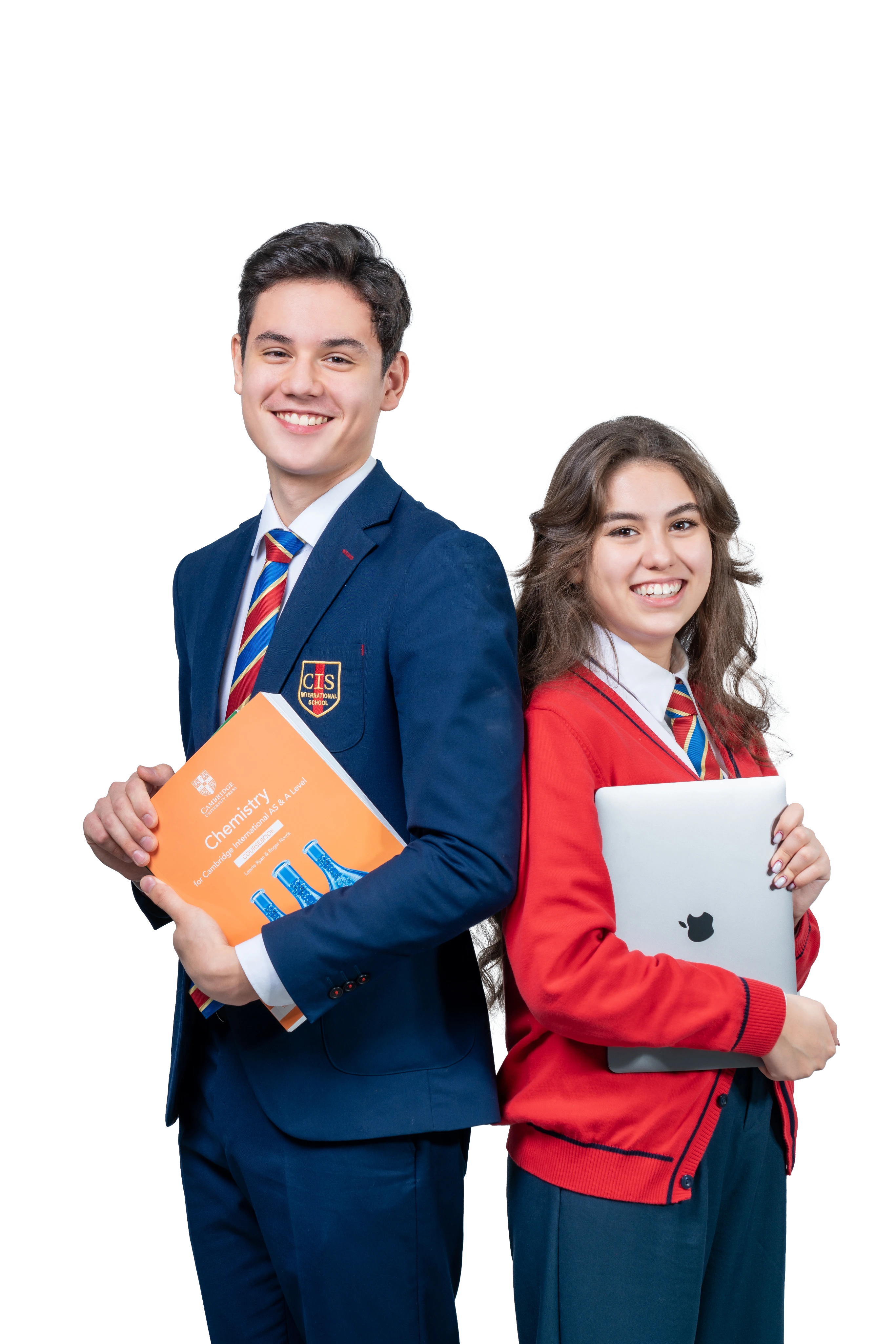
A Level (Advanced Level) is a two-year programme for students aged 16–18, focused on university preparation. Students choose 3-4 specialised subjects aligned with their intended degree. Study is in depth and requires independence, analytical thinking and practical application.
Benefits of A-Level:
The A-Level programme provides not only comprehensive preparation for university admissions but also develops the competitive skills required in the 21st century. Programme structure:
Together, these elements form a comprehensive academic portfolio considered by universities alongside examination results.
CIS graduates enter prestigious universities in Russia, Europe and Asia.
Our dual academic pathway enables students to:
— choose the most suitable country and mode of study;
— meet the entry requirements of a wide range of universities.
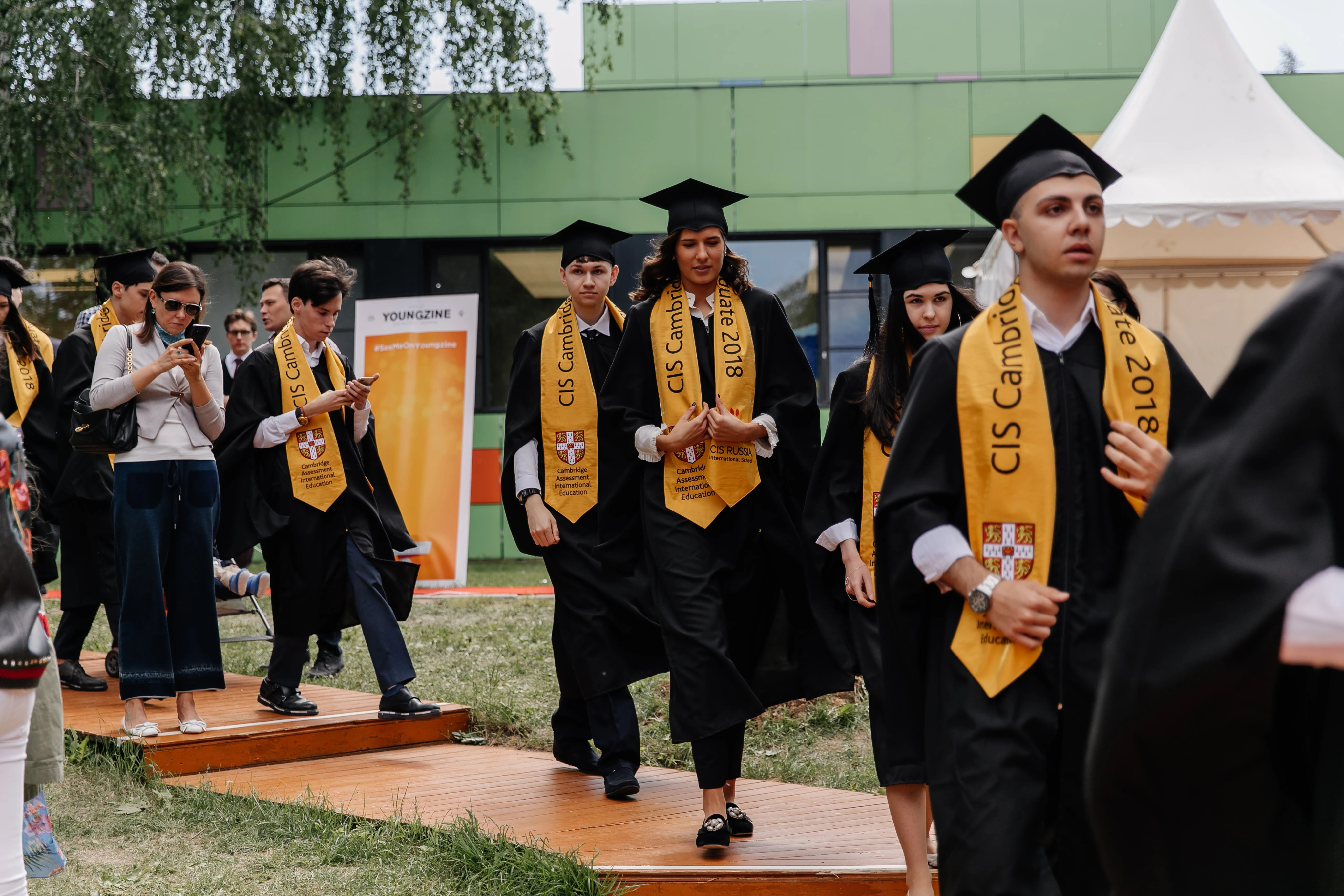
CIS graduates are admitted to the leading universities worldwide including Europe, the USA, Canada and Asia
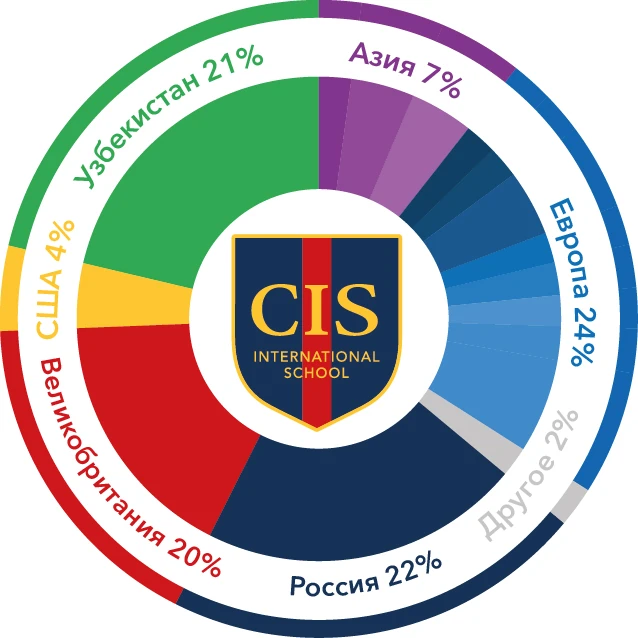
Admission Geography:
— United Kingdom: Manchester University, University of Hull, City University London, Edinburgh Napier, MetFilm School, MPW London
— USA: Worcester Polytechnic Institute, Foothill College
— Russia: Lomonosov Moscow State University, MGIMO, HSE University, Financial University under the Government of the Russian Federation, Saint Petersburg State University, MISIS
— Uzbekistan: Webster University, Inha University, New Uzbekistan University, MDIS
— UAE: Canadian University Dubai, University of Wollongong
— Switzerland: University of Lausanne, International Institute Geneva, La Roche University
Through the CIS alumni association graduates stay connected, share experiences, and support one another after graduation. New alumni receive support in building both personal and professional networks.
Forms of engagement:
— events and reunions;
— communication via social networks;
— mentoring programmes;
— volunteering and donations;
— career support.








.webp)
.webp)
The international team of native-speaking teachers helps your child unlock their abilities and grow in an atmosphere of trust and respect.
Learn more about teachers
International Teacher, History
I chose my profession because I wanted to find job satisfaction by helping others. I try to inspire my students by showing them how the subject is connected to the city around them: St Petersburg - and the country as a whole. This city is steeped in history, so it's an easy job. I find a common language by showing them I understand their frames of reference: youth/internet culture, and their sense of humour.
International Teacher, Mathematics and Science
My greatest strength is my patience - I try not to put pressure on my students, rather give them the time and support that they need to succeed. Luckily, I share many interests with the students and am able to relate with them easily.
International Teacher, English Language and Literature
I see the classroom as a canvas for creation. I teach meaningful, content-driven lessons that utilise literature, poetry, and music. I encourage students to experience language as a bridge to global cultures, cultivating empathy, and self-expression.
International Teacher, English Language
I chose to become a teacher because I am passionate about my subject and want to bring literature to life for students. I firmly believe that literature should be fun and can be something you enjoy from childhood to old age. I love making literature lessons interesting and relevant to our modern lives through discussions, debates and simulations.
International Teacher, Mathematics
Since I was a school student I have been fascinated with mathematics and its beauty in order of things. My grandmother was a Mathematics teacher at school, and she spent a lot of time with me, sharing her passion to the subject and to the profession. I try to do the same with my students. I'm a very excited when students enjoy achieving their goals in my subject.
Before admission, each child completes:
— English and Mathematics assessment to determine academic level and appropriate year group
— Meeting with a school psychologist; for children under 10, this also includes a speech and language assessment
Parents receive individual feedback and professional recommendations following the assessment.
Assessment Fee:
—
How the assessment works
We use our own assessment approach, designed to be supportive and age-appropriate. The process takes place in a comfortable, child-friendly format.
Specialists assess the child's: academic readiness, skills and learning profile, individual needs and strengths. This helps parents better understand their child, while enabling teachers to design an optimal learning pathway.
— Seat reservation: after testing, parents complete the application forms and pay the enrollment fee.
— Admission timeline: most students enroll in spring and summer. Admission during the academic year is possible subject to availability.
Parents are required to submit:
— Child's birth certificate;
— Child's passport (from age 14) and visa - for foreign citizens;
— Passport of one parent and visa - for foreign citizens;
— Medical record and health insurance policy;
— Academic transcripts from previous schools;
— Two photographs of the child (3×4 cm);
— One photograph (3×4 cm) of the authorized adult (up to 5 persons may be designated).
Important:
— Copies of all documents can be made at the school office;
— Application forms are provided at the CIS office.
Contacts:
Detailed information can be obtained from the admissions manager or via the campus email.
Fees depend on:
— the child's age
— the selected campus
— early enrolment options
Please note:
— a one-time enrolment fee applies
— the enrolment fee does not depend on the number of children in the family
— the fee is payable once upon enrolment and is non-refundable
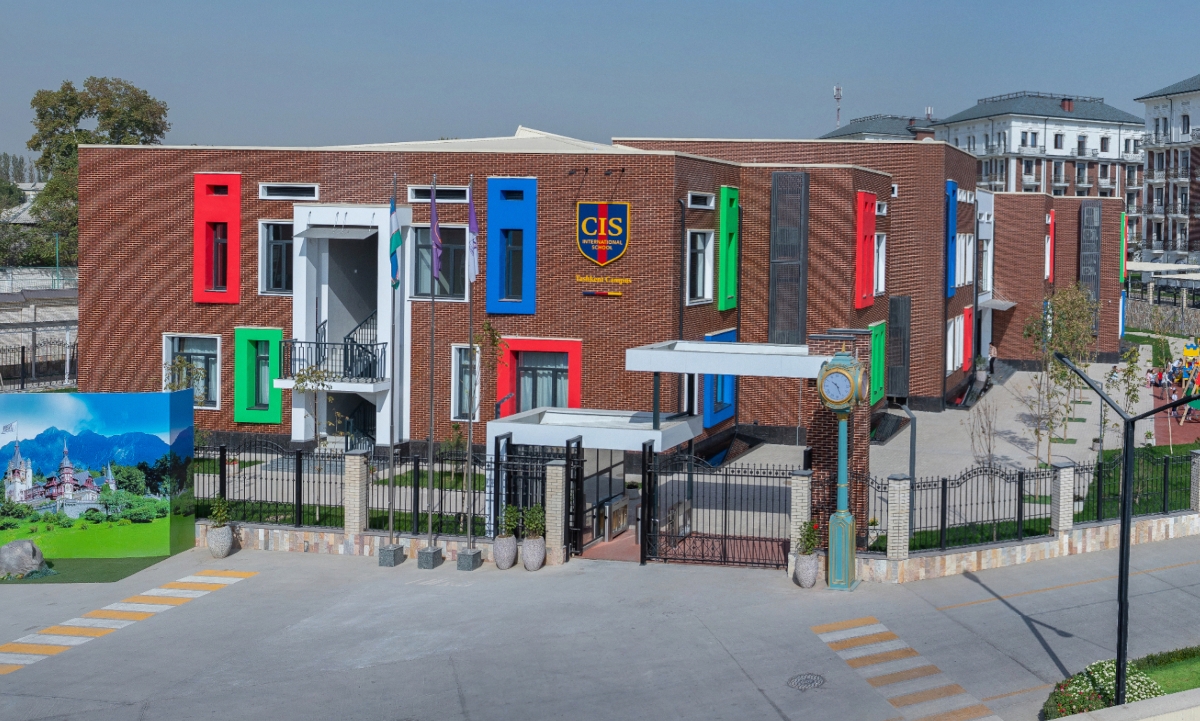
Tuition fees depends on the payment date. A discount system is provided.
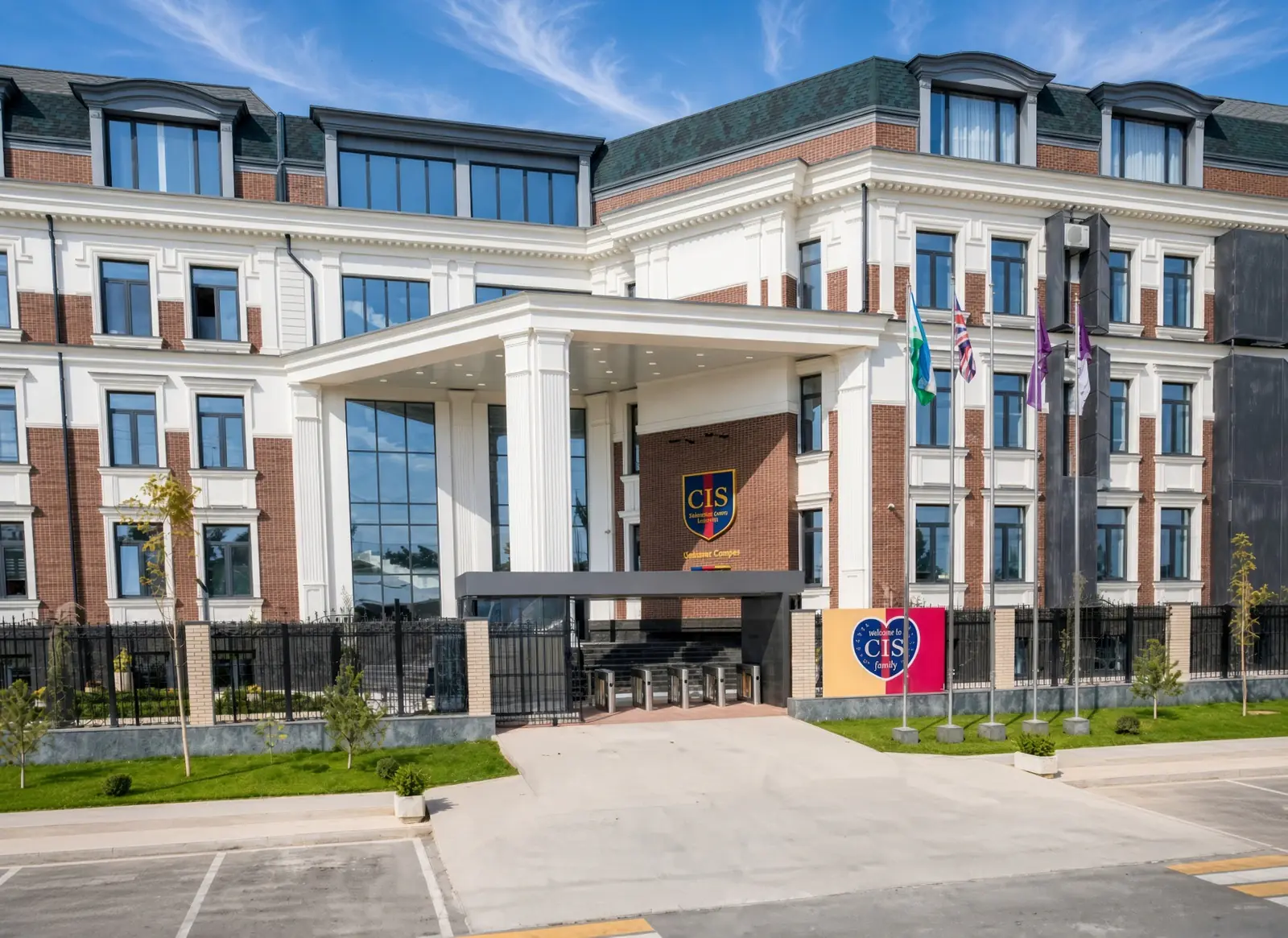
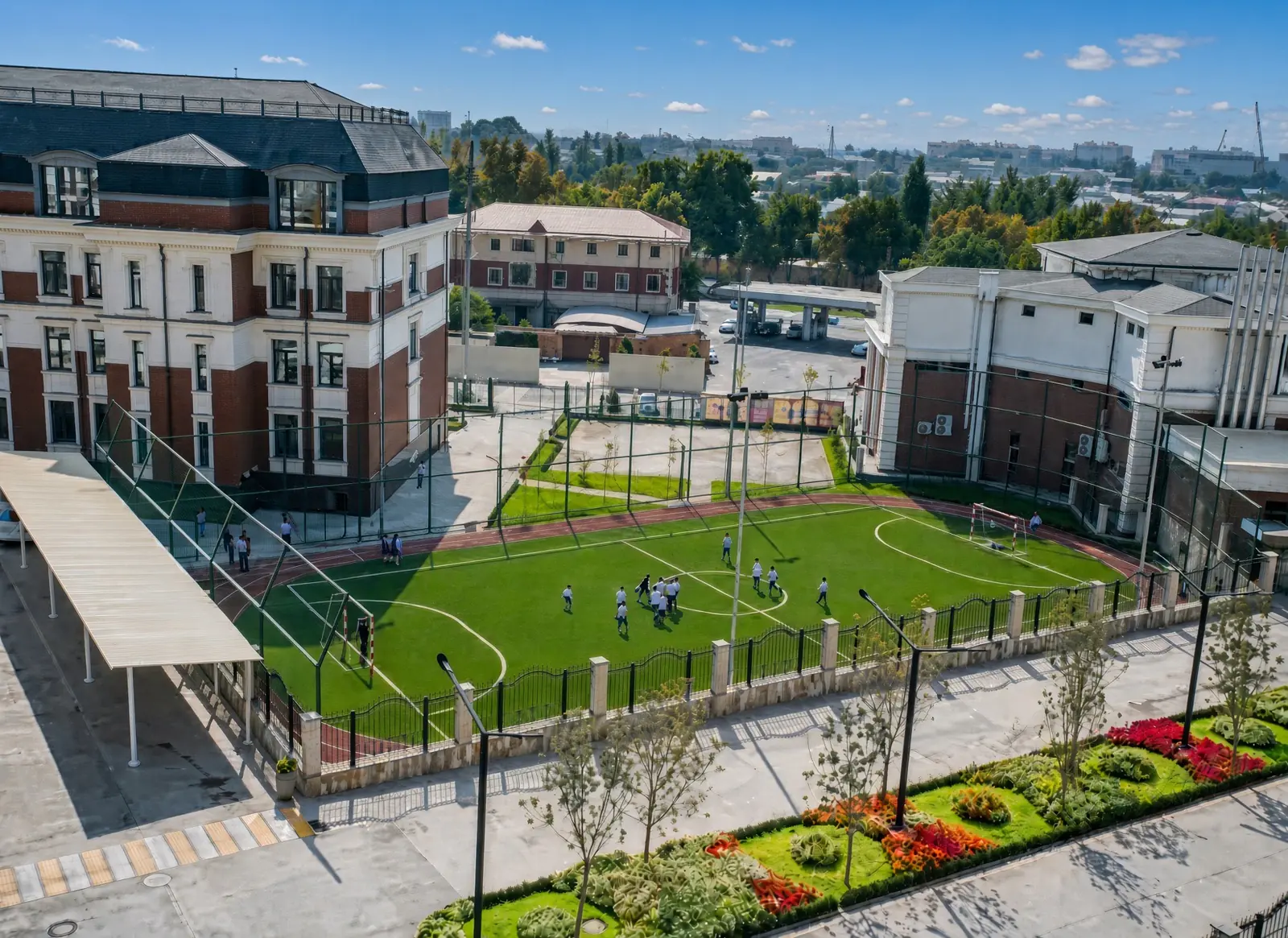
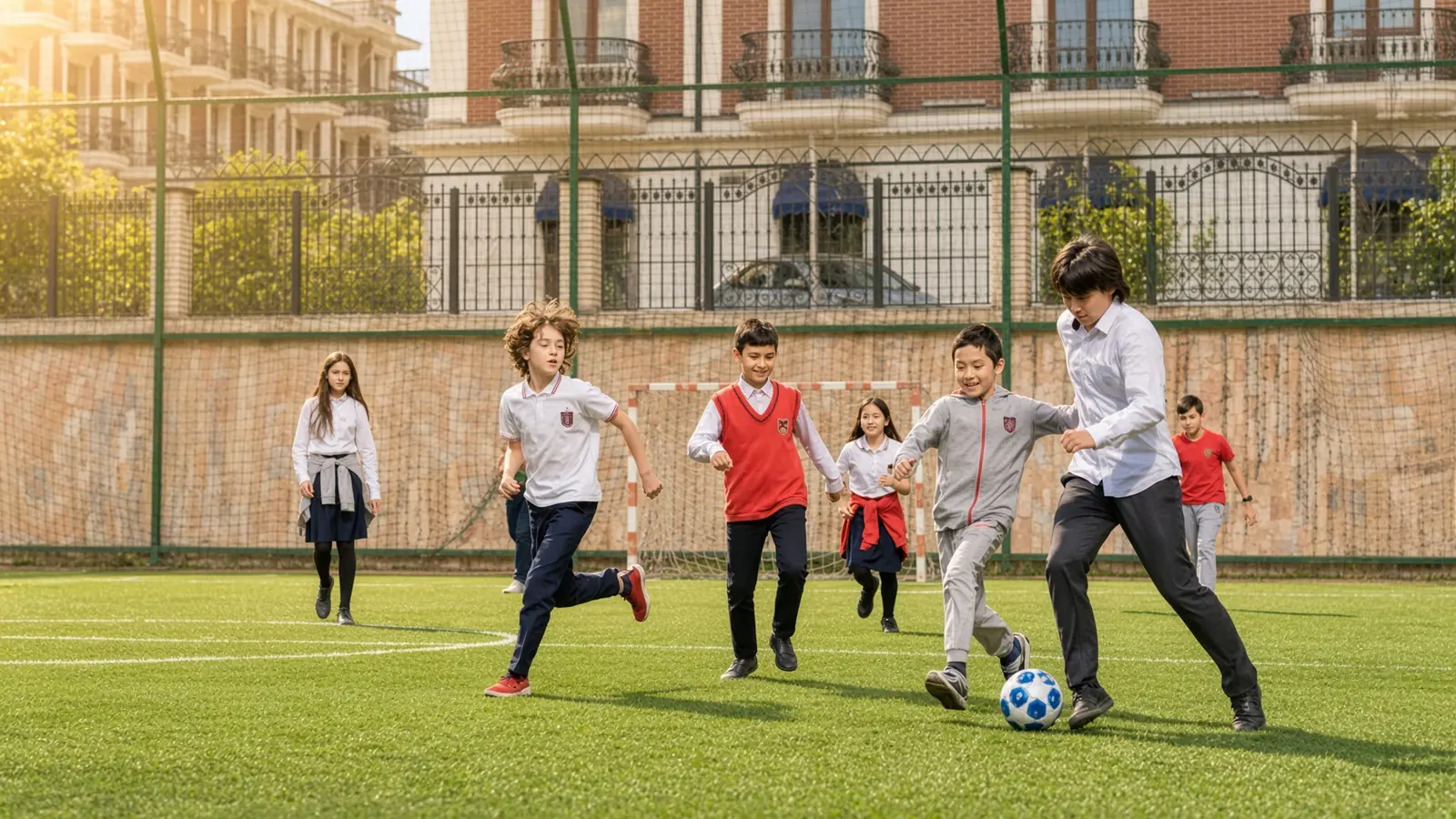
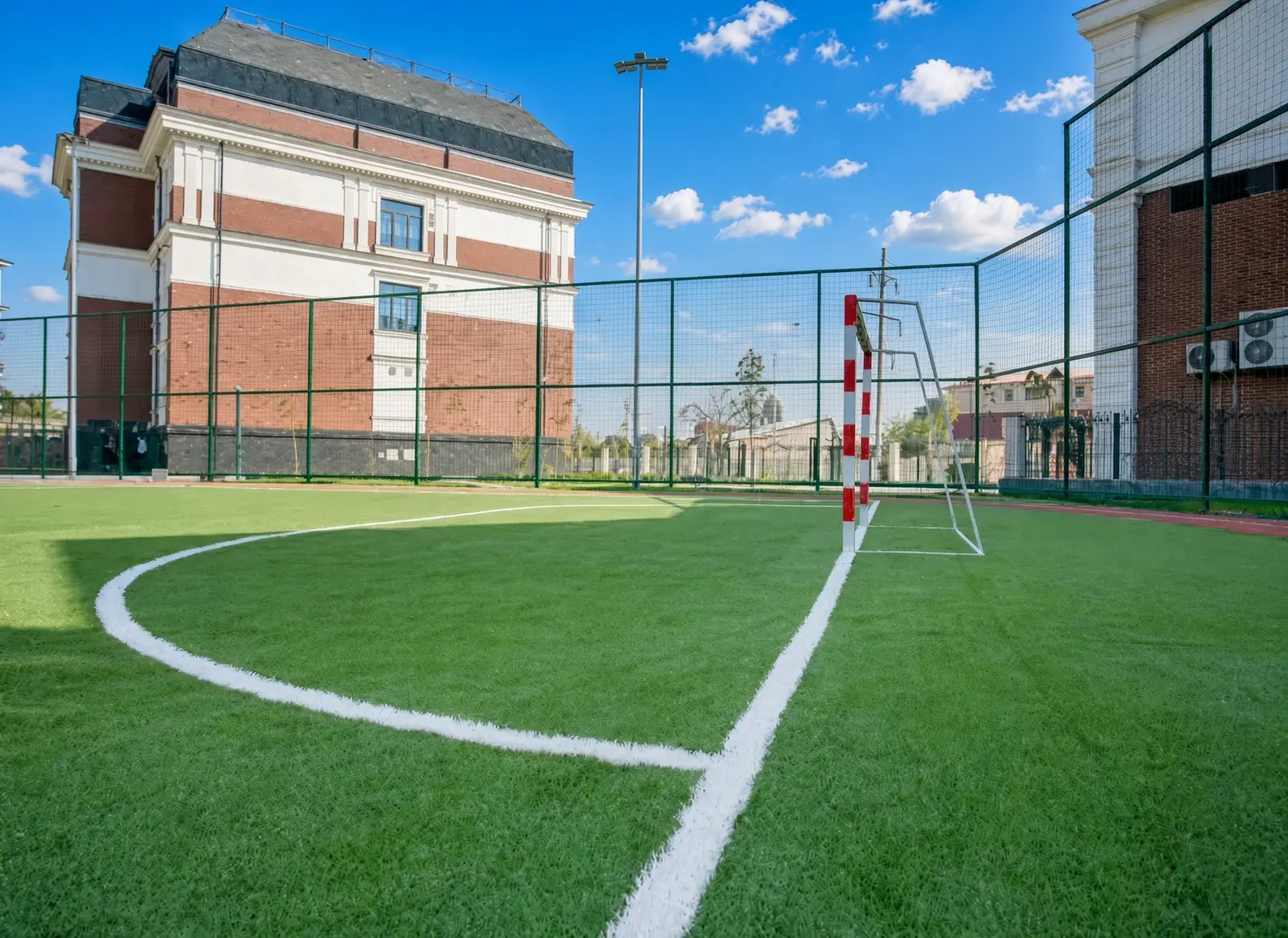
At CIS, students follow the Cambridge international curriculum in English and prepare for IGCSE and A Level examinations. The A Level programme offers in-depth subject expertise, independent learning skills and clear academic direction, while developing the competencies required for success in the modern world. Graduates receive an internationally recognised qualification accepted by universities globally.
Yes. Cambridge IGCSE and A-Level qualifications are recognised and respected by universities around the world. They provide strong academic credibility and open doors to prestigious institutions internationally.
Yes. At CIS, students may study both the Cambridge and the local national curriculum. Upon graduation, they receive two qualifications: an international A-Level certificate and a national state-accredited school certificate.
In the senior years, students focus intensively on their chosen academic pathway. Preparation for IGCSE and A Level examinations ensures access to leading universities worldwide. Teachers support students in identifying strengths, developing analytical thinking and applying knowledge practically, building confidence for successful university admission.
IGCSE is a two-year Cambridge programme designed for students aged 14-16. After completing external examinations, students receive an internationally recognised secondary qualification. IGCSE provides strong academic preparation for progression to A-Level.
Tuition includes education under two programs, learning materials, meals (3-4 times a day), selected clubs, and access to school facilities. School uniform, trips, and some additional activities are paid separately.
Instruction is conducted in English. Russian is taught as part of the national curriculum, creating a bilingual learning environment.
Yes. Many students join the Cambridge programme at age 14-15, often after completing Year 8 or 9 in a state school. Entry assessments determine the appropriate academic level. CIS has significant experience supporting students transitioning from different systems and ensures effective adaptation to English-medium study.
A-Level is a two-year programme for students aged 16–18 and represents the final stage of international secondary education. Students study three or four subjects in depth and complete AS Level examinations in the first year and A-Level examinations in the second. The qualification is recognised worldwide and often enables direct university entry.
More than half of CIS graduates choose universities abroad, including the UK, USA, Canada, Europe and Asia, while others enrol in leading universities across the CIS region. Destinations include The University of Manchester, City, University of London, The University of Hull, Foothill College, Worcester Polytechnic Institute, the University of Calgary and The University of Hong Kong, as well as MSU, HSE University and MGIMO in Moscow.
Yes. Senior students receive comprehensive guidance throughout the university selection and application process, aligned with their individual strengths and academic goals.
Cambridge and national programmes delivered simultaneously. Graduates receive A/AS Level certificates and a state diploma.
Yes. Students may enroll at any time during the academic year, subject to availability. The main intake takes place in spring and summer

24 October 2025
A good modern school with English, children like it very much, everything is cool.


10 September 2025
CIS Tashkent provides an excellent Cambridge curriculum education that fosters critical thinking and global awareness. The school ensures high academic achievements and comprehensive student development.

08 September 2025
We are delighted with the school and the staff. Thank you!
13 August 2025
Number 1 in Tashkent
02 August 2025
Wonderful school
17 June 2025
It's a great school, I don't understand who can give it 1-2 stars, only envious people or competitors of this school.

24 May 2025
A very good school, excellent teaching, well-equipped classrooms, varied and delicious meals, highly qualified teachers, and an individual approach to each child. One of the best international schools in Tashkent.
15 May 2025
One of the best schools in Tashkent 🔥

07 May 2025
My two children attend this excellent school. We've never had a better one. Before this, we attended the President School, but no other school in Moscow or the Moscow region can compare. The teaching staff is exceptional, with an individualized approach to each child. Small classes. I especially want to emphasize balanced nutrition. I recommend it to everyone, and a huge thank you to the principal and all the teachers.
15 April 2025
The best British education school in Uzbekistan

26 March 2025
A wonderful school. The organization is top-notch. You can also purchase excellent photo albums for your child with very creative and modern photographs. 🔥

02 March 2025
A magnificent educational institution. Those who can afford to study there are very lucky.

18 December 2024
Excellent international school. It implements two educational programs ( Cambridge + Russian). The low occupancy rate of classes allows each student to develop.

24 November 2024
An excellent school with a personalized approach to each child. They offer extracurricular activities (coding and other) outside of school hours, which eliminates the need for children to constantly move between institutions.

09 November 2024
We are learning, we really like it.
25 July 2024
Excellent school. Professional teachers. Comfortable learning environment. No bullying.

04 June 2024
I studied here myself. The interior and the teachers are very nice. They also have a delicious cafeteria. I got into the physics and mathematics lyceum, so that's why I didn't stay.
24 January 2024
An amazing school with dedicated teachers, lots of interesting activities, which offers high quality education.

13 December 2023
The school is wonderful. The teachers are very good and kind. Everything is top-notch. We're in our second year there and we don't regret it at all. It's worth the money.

17 March 2023
An excellent school with wonderful teachers and staff. They pay close attention to each child. They help them settle in, help them discover their talents, teach them how to study, and if there are any gaps in their knowledge, they help fill them. The child is very interested and comfortable in learning. There are various clubs for children, sports and cultural events, open lessons and days, and the school is filled with a huge number of interesting events. There is definitely no routine here. The Cambridge curriculum goes hand in hand with the Russian one, and this is very important, as the child has more opportunities. We really like the Moscow campus.

21 February 2023
We carefully selected a school for our youngest daughter because we were moving to Moscow. We looked at several Moscow schools in the same program, and when we came for an interview at the Festivalnaya campus, we immediately fell in love and were never disappointed. This school turned out to be a true family for us! Caring, welcoming, friendly, and caring about each student as if they were our own! The atmosphere is friendly and positive! It's a shame this campus only runs through Year 9. In Year 10, we transferred to a different campus, and they actively helped us choose the right one, offered advice, and were fully involved in the process. They don't abandon their students here and support them at every stage. We are very grateful to the school for everything! To the entire staff!

12 December 2022
An excellent school with a cozy and pleasant atmosphere, the children (students) enjoy attending. The teachers are wonderful: very attentive, friendly, and responsible. The children quickly integrate into the school atmosphere, and communication and interaction between classes is well-organized. We've been attending the school since he was three years old. Our child is happy.
19 July 2022
For our family, the school environment and our relationship with our children are key! We constantly work with our children at home and check their homework. We can't do without it in the early stages. The school provides resources and a lively foreign language, and we simply support them. But being there for our children when they're stressed out at school, offering advice, a hug, or comfort—we can't help but love them. The teachers and staff do a tremendous job! They cultivate their curiosity and motivate them to learn every day. Isn't that wonderful, my friends? I know every day what my children have been doing and how successful they are. We feel like we're part of a big, close-knit family here! THANK YOU SO MUCH!!!
25 May 2020
We went to school on the recommendation of friends. We transferred from another school due to my husband's job change. We studied in person until March, then switched to online learning due to the quarantine. Our child has been attending happily all year, and there were no difficulties convincing him to go. The teachers are very attentive. The learning process is well-structured, and most importantly, there is always the opportunity to talk with the teacher and the principal. Special thanks for the community atmosphere – they explain everything and offer helpful tips. There is a lot of English, but I want to learn more.

02 April 2020
The school teaches in English! The teachers are English! They work wonderfully with the children! Lots of extracurricular activities for a well-rounded education!

Alumna
St. Petersburg Campus
I joined CIS after Year 9 when I realized I wanted to study abroad. At the same time, I knew my English was not yet strong enough. It was important for me to study at an international school where I could improve my language skills and adapt to a new system. I considered different schools, but CIS suited me best. Here you can study two programs at once - international and Russian. That was important not only to me but also to my parents: they wanted me to keep the knowledge I gained over nine years in a Russian school.
Alumna
Skolkovo Campus
My curiosity helps me a lot, and it grew thanks to the teachers at CIS. Even in primary school, in Science lessons we did not just learn theory - we explored how things work: we studied volcanoes and the human body and did experiments. History was exciting too - we built Egyptian pyramids from sugar cubes, the Great Wall of China from cardboard cards, and Viking houses from wine corks. It was not only useful, but also a lot of fun.
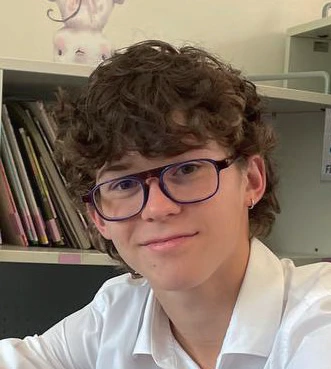
Year 11 student
Skolkovo Campus
I want to study biomedical engineering - to create technologies that help people with disabilities live fuller lives. School has helped me prepare for this path. A big advantage at CIS is the two programs, which approach the same subjects in different ways and complement each other. For example, in the international physics course we focused on understanding why phenomena happen. In the Russian program we worked with formulas and problem solving. A good example is heat transfer: in international lessons we explored convection, conduction, and radiation in depth, while in Russian lessons we calculated how much thermal energy an object can gain or lose. Together this built a complete picture that really helps in further study.
.webp)
01 September 2026
23 May 2026
03 April 2026
30 March 2026
24 March 2026
23 March 2026
.webp)
04 March 2026
Admissions manager
+998 (71) 209 66 69100057, Uzbekistan, Tashkent, Almazar District, Kichik Khalka Yuli St., 1A
41.349266, 69.256354
Receive helpful parenting tips, educational games for children, inspiring stories from school life, and invitations to CIS events.


