When choosing a private early years setting, it is important to understand how the licensing system works and why it matters. An international kindergarten operates within a clear framework: on the one hand, it complies with the laws of the country in which it operates; on the other, it applies internationally recognised approaches to early childhood education. As a result, children learn in an environment where safety, development and care are an integral part of everyday practice.
What licensing of a private kindergarten means
A licence confirms the institution’s right to deliver early years education programmes. It is issued following an inspection and demonstrates compliance with established standards.
Having official status means that:
• the educational format has been approved;
• the conditions for children meet regulatory requirements;
• responsibility for the educational process is legally defined.
What to look for when visiting a kindergarten
At a first visit, it is worth focusing not on appearances, but on how daily life is organised.
The teaching team. Relevant qualifications, experience and the way professionals interact with children all matter. Attentive attitudes and respect for each child’s individual pace of development reflect a thoughtful and mature approach.
At CIS kindergartens, a modern Early Years programme has been developed and adapted. It covers language development, physical movement, emotional growth, communication, early literacy and numeracy, creativity, and curiosity about the world. The key focus is not on “what the child has been taught”, but on how the child feels throughout the learning process.
At CIS, children are supported by educators with experience in international environments. Groups include teachers who lead activities in English, as well as adults who support children’s adaptation and help them feel confident and secure.
Teachers observe each child’s development and nurture an interest in learning through play, communication and everyday situations. Individual interests, pace and needs are always taken into account.
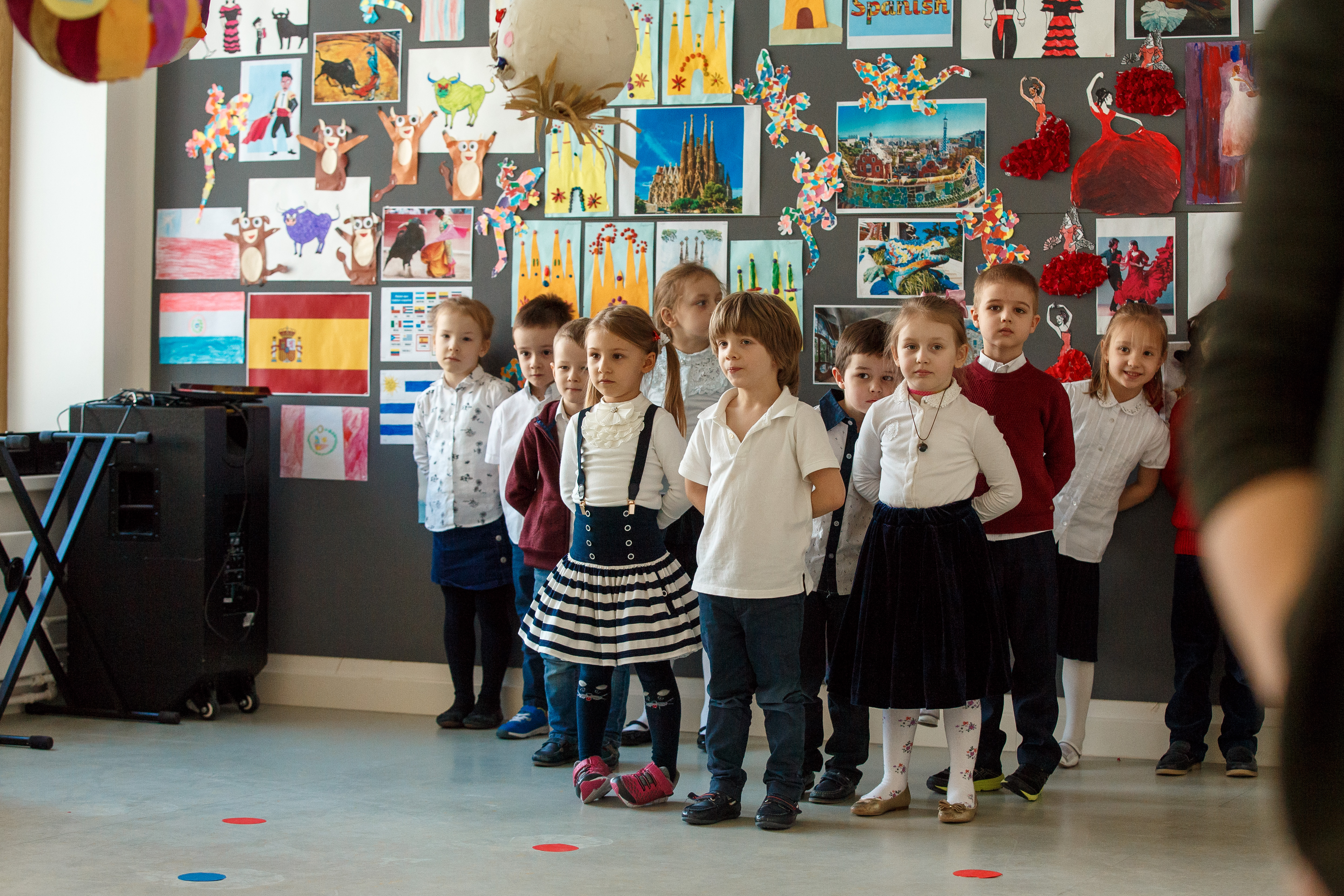
Daily routine. The day at CIS is structured so that children do not become overtired. Activities alternate with rest, guided sessions and free play. Attention is given not only to knowledge, but also to confidence, independence and social skills. This helps children adapt calmly and engage in learning with interest, feeling safe and supported.
Facilities and learning materials. Educational resources should be used regularly. The environment must remain safe, age-appropriate and encourage active interaction.
CIS learning spaces are designed specifically for children, drawing on best international practice. Particular attention is paid to safety and children’s psychological comfort. The environment encourages exploration, questions, communication and initiative.
Health and fire safety requirements. Approvals from relevant authorities confirm that the building has been inspected and complies with mandatory regulations.
Documents confirming official status
A licensed early years institution usually makes the following documents available:
• licence for educational activity;
• founding documents;
• legal documents confirming the right to use the premises;
• information on staff qualifications;
• approved educational programmes;
• confirmation of material and technical resources.
Transparency in providing this information reflects a high level of responsibility and openness.
Documents required for enrolment
To enrol a child, parents are typically asked to provide:
• passport of the legal guardian;
• child’s birth certificate;
• proof of registration;
• medical record (Form No. 026/u);
• vaccination record (Form No. 063/u);
• SNILS (individual insurance number);
• compulsory medical insurance policy;
• application form;
• contract with the institution;
• documents confirming any applicable benefits, if relevant.
Why official status matters to parents
A licence reduces uncertainty and gives parents confidence that the institution operates according to established rules. It ensures oversight of key aspects, from daily conditions to the educational content.
Frequently asked questions (FAQ)
How can I check whether a kindergarten is licensed?
Information can be requested from the administration or verified through official government registers. It is important to check the address and the list of authorised educational activities.
Can a kindergarten operate without a licence?
If an institution delivers educational programmes, a licence is a mandatory requirement.
Does a licence guarantee the same level of quality everywhere?
No. A licence confirms compliance with basic standards, but educational approaches and programme content may vary.
Conclusion
Licensing of a private kindergarten is a sign of a stable and well-organised institution. It helps parents make an informed choice about an environment in which their child will feel calm and confident. An international approach adds a clear developmental framework, language immersion and a learning environment that encourages children to think, explore and become independent from the very earliest years.